

The Difference Between Premium and Budget Dental Instruments
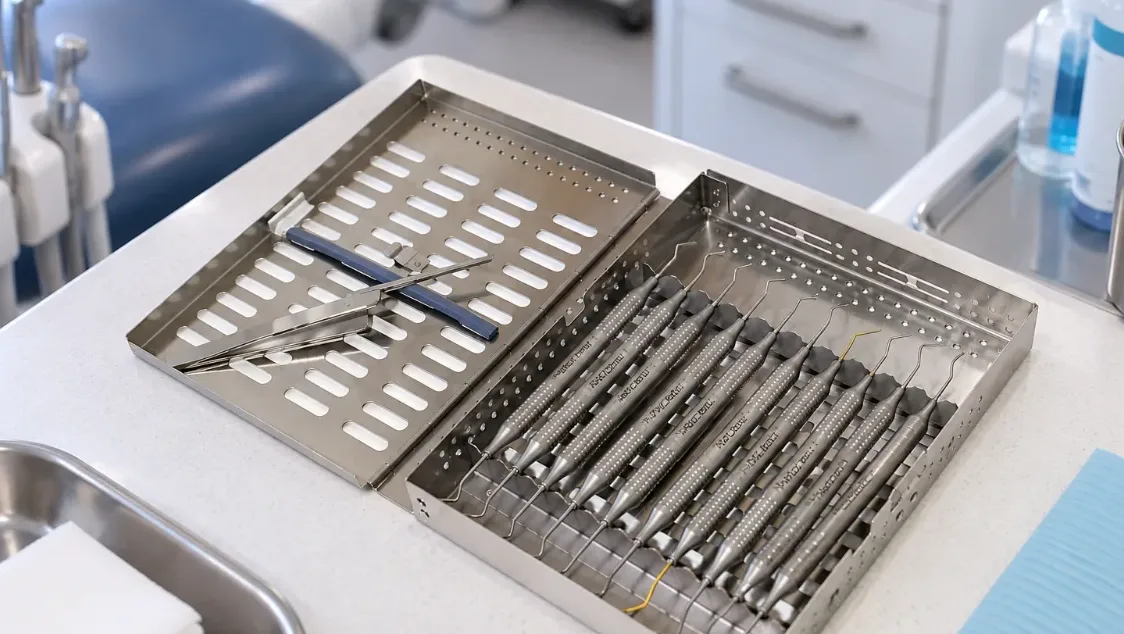
Sometimes paying less works out perfectly well. Sometimes it doesn’t. In the case of dental instruments, even those that look exactly the same can vary considerably in price for various reasons. Why? Well, if you’re trying to choose between investing in premium or budget options, quality can affect precision, control, comfort, consistency and longevity in everyday clinical use.
At One Dental, we’re your Australian-owned go-to supplier of premium dental products for professionals, students and educators. We know there’s a difference between products that do the job and those that do it exceptionally well. But we also understand it’s an investment, and it’s reasonable to want to know what you’re actually paying for.
What separates premium dental instruments from cheaper alternatives
Looks can be deceiving. Two instruments may seem identical, but may have been made quite differently. The grade and composition of stainless steel, for example, can affect hardness, corrosion resistance and the ability of a working end to retain its shape or edge. Manufacturing is another part of the equation. Premium instruments can involve more exacting processes across forging, machining, heat treatment and assembly, as well as greater precision in the finishing and shaping of the working end. Achieving the required angle, thickness, dimensions and geometry takes time and expertise, all of which contribute to the final cost.
This cost-cutting can eventually become noticeable in the clinician’s hand. Weight distribution affects control and how an instrument feels during use. Poorer balance can require more effort from the hand and fingers, particularly during precise or repetitive work. Handle diameter, shape, texture and weight also affect grip and comfort. More considered designs use specific dimensions, textures and materials to provide a secure grip without excessive pressure, while cheaper alternatives may use simpler designs or materials.
The accuracy of the working end on a scaler, curette or explorer can also vary depending on the time spent during manufacturing and the tolerances accepted. Premium manufacturers put greater emphasis on precise shaping, finishing and quality control. Then there’s tactile feedback. Material choice, rigidity and construction all influence what the clinician can feel through the instrument. A well-made option can transmit finer tactile information and offer greater control during use.

“Looks can be deceiving. Two instruments may seem identical but may have been made quite differently.”
How instrument quality can affect clinical use
For cutting and scaling instruments, sharpness affects the pressure needed to achieve the intended result. A dull edge can require more force and repeated strokes. A precise, well-maintained working end also gives a more predictable response, which is important for the small, controlled movements required in many dental procedures. And going back to tactile feedback, greater sensitivity allows the clinician to detect subtle changes in the surface they’re working on and adjust their technique accordingly.
Small ergonomic differences between premium products and more affordable alternatives may seem relatively insignificant when an instrument is held briefly. But that can change during repetitive procedures or prolonged use. The amount of grip pressure and muscular effort required can influence hand and finger comfort over the working day. Weight, balance and handle design are clinically relevant, yet they may receive less consideration when keeping manufacturing costs down.
For students and new graduates, a strong focus on correct technique can make some of the subtle differences between instrument options less obvious. Experienced clinicians usually have a clearer sense of the weight, rigidity, sharpness, handle dimensions and response they prefer for particular procedures. They also become more familiar with how an instrument should perform when it’s in good condition, so wear, dullness or changes in performance can be easier to recognise.
Durability and the working life of dental instruments
There’s also the question of how much use you’ll get from your purchase.
Higher-quality materials and manufacturing can help cutting edges retain their sharpness and working ends maintain their proper shape through regular use. For the clinician, this can mean fewer interruptions for sharpening and more consistent performance throughout the item’s working life.
Repeated processing also means that dental instruments are regularly exposed to cleaning, disinfection and sterilisation. The quality of the steel, surface finish and construction can affect resistance to corrosion, staining and general deterioration throughout these cycles.
Ultimately, a more affordable option that loses its edge faster or deteriorates sooner will need more frequent sharpening, servicing or replacement. Those costs add up. The initial purchase price isn’t the only consideration. You also need to factor in what it takes to keep the instrument in clinical use.
As with many purchases in both personal and professional life, paying more up front can sometimes make better financial sense than trying to save a little at the start.
“The initial purchase price isn’t the only consideration. You also need to factor in what it takes to keep the instrument in clinical use.”
The long-term value of quality dental instruments
When choosing instruments, think about the working life, not just day one. As mentioned, a product that maintains its functional characteristics through repeated clinical use and processing is likely to offer far better value.
Another thing to consider is how often the item will be used, the demands of the procedure and what you need from it clinically. For instruments used frequently or under more demanding conditions, longevity and consistent function should be a high priority.
Rather than comparing products on price, focus on quality. Look at the materials, construction, expected lifespan, maintenance requirements and manufacturer standards or warranties where applicable.
Choosing quality dental instruments with confidence
For those in dentistry, instruments are what we rely on all day, every day and often for years. Tools should perform the required task well every time they’re used. They should feel right in the hand, respond as expected and continue doing the job they were designed to do.
Choosing quality from the outset gives you a stronger foundation for all of that.
At One Dental, we create, manufacture, import and distribute an extensive range of clinically proven, innovative dental products. If you’d like to know more about premium instruments or need help choosing the right items for your clinic or simulation training, speak with a friendly member of our team or browse our range online.

Meet the Author
Joanne Stanbury
Joanne is no ordinary entrepreneur. Long before One Dental was born, she had a vision of owning and running her own business. Two decades later, she’s thriving in a traditionally male-dominated industry.
While Joanne started as a dental therapist in the school dental service in Melbourne, she soon realised her passion for the industry extended far beyond her clinical role. She loved sales and marketing and was willing to work anywhere from administration to accounts.
“I’d work wherever in the business. It didn’t faze me. If staff were needed in the warehouse or in marketing or wherever it was, I would just put my hand up because I saw it as an opportunity to learn.”
When she saw a gap in the market, Joanne drew on her extensive knowledge and experience, assembled an amazing team, and set out to change the dental industry.
Beginning with consultancy, Joanne helped dental companies to grow their business by teaching salespeople and customer service officers how to speak to clinicians with the right lingo and product knowledge. Later, she started seeking out international products, building international relationships, and eventually creating her own products for the market.
Today, Joanne remains a hands-on leader. From product development to assembling kits, answering the phone, and even conversing with customers on the webchat, she’s as involved as ever.
Receiving the entrepreneurial grant from the Australian Government is one of the highlights of Joanne’s career. This achievement paved the way for her to introduce an innovative computer system and an e-commerce website to propel the One Dental brand further.
Juggling the responsibilities of motherhood and business ownership herself, Joanne understands the importance of work-life balance and is dedicated to offering her staff a flexible workplace. They go above and beyond for One Dental, and she does the same for them.
When she’s not at work, Joanne is still shooting for greatness, but courtside as a volunteer manager for her daughter’s basketball team. Her all-time favourite activity is wakeboarding.
Frequently Asked Questions
What is the difference between premium and budget dental instruments?
Premium dental instruments can differ from budget alternatives in the grade and composition of stainless steel, manufacturing processes, precision, finishing and quality control. These differences can affect sharpness, balance, tactile feedback, comfort, durability and consistency during clinical use.
Are premium dental instruments worth the extra cost?
Premium dental instruments can offer better value when higher-quality materials and manufacturing result in greater durability, consistent function and less frequent sharpening, servicing or replacement. It is worth considering the instrument’s expected working life rather than comparing purchase prices alone.
What should I look for when choosing dental instruments?
Consider the materials, construction, working-end accuracy, balance, handle design, expected lifespan, maintenance requirements and manufacturer standards or warranties. How frequently the instrument will be used and the demands placed on it are also important considerations.
Why does the sharpness of a dental instrument matter?
Sharpness affects the pressure required when using cutting and scaling instruments. A dull edge may require greater force and repeated strokes, while a sharp, well-maintained working end provides a more predictable response during small, controlled movements.
How does dental instrument quality affect ergonomics?
Weight, balance, handle diameter, texture and grip can influence the amount of pressure and muscular effort required during use. Small ergonomic differences may become more noticeable during repetitive procedures or when instruments are used for prolonged periods.