

Managing Pulps & Pain in Primary Teeth
Managing Pulps & Pain in Primary Teeth
Join Assoc. Prof. Cathy Snelling and Leah Hobbs for a highly practical, hands-on workshop designed to build your confidence in the safe and atraumatic extraction of primary teeth. Explore key principles, techniques and instrumentation while developing an understanding of how to minimise trauma and protect the surrounding tissues.
Whether you’re new to primary tooth extractions or looking to refine your clinical technique, this workshop combines clear clinical theory with hands-on practice, so you leave feeling confident and ready to apply what you’ve learned in your practice.
Course Description
What you'll learn: Build your confidence in the diagnosis and management of pulpal conditions and pain in primary teeth. This practical course covers pulpal health, diagnosis, treatment planning, pulpotomy techniques and restorative options, combining evidence-based theory with hands-on clinical practice.
This course is designed to help oral health therapists and dental therapists build confidence in diagnosing pain in primary teeth, making appropriate treatment decisions, performing pulpotomies, and restoring primary molars with stainless steel crowns. It places strong emphasis on documentation, case selection, scope of practice, and evidence-based decision-making. The course is delivered in three parts: a pre-course online module to build foundational knowledge before the workshop, an in-person hands-on session to practice clinical skills and apply learning in a supervised environment, and a post-course online component to reinforce key concepts, support reflection, and consolidate learning after the workshop.
Skills You Will Gain
- Confidently select the correct local anaesthetic agent and dosage for different clinical scenarios
- Identify and avoid key anatomical structures to reduce risk of nerve injury, haematoma, or intravascular injection
- Calculate maximum safe doses and adjust for age, weight, and medical status
- Recognise early signs of local anaesthetic toxicity and respond appropriately
- Manage common complications (failed block, post-op numbness, trismus, soft-tissue trauma) safely and calmly
- Communicate clearly with patients to reduce anxiety and gain consent for local anaesthesia
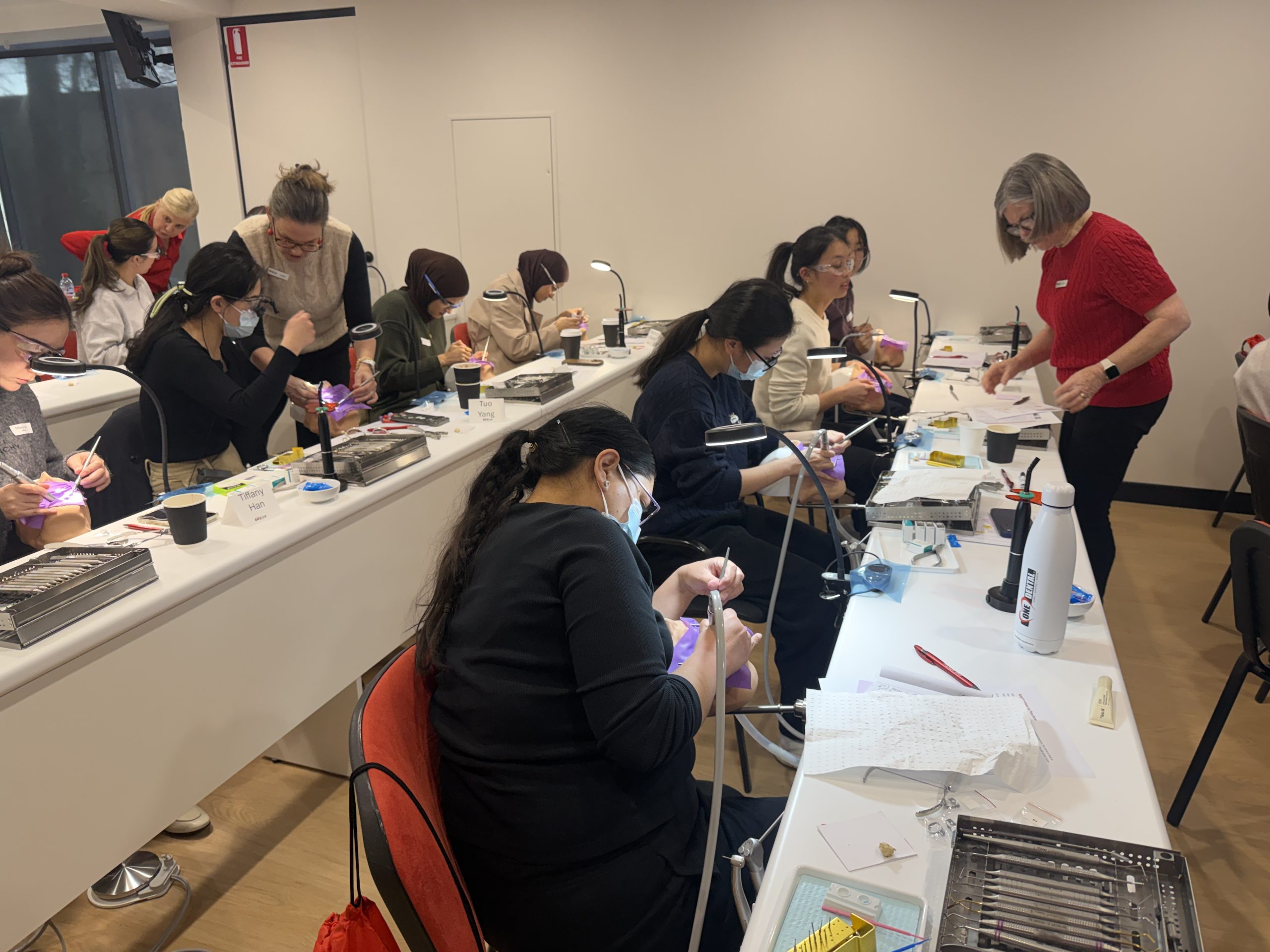
In Person Workshop Description
In Person Workshop Description
A practical course focused on safe, atraumatic extraction techniques for primary teeth, with emphasis on clinical assessment, instrument selection, and patient-centred care.
- Determine the scope of practice of oral health and dental therapists in the extraction of primary teeth.
- Identify anatomical features to be considered when extracting primary teeth.
- Review the mechanical principles of exodontia.
- Describe the criteria required for a safe and atraumatic extraction.
- Identify the armamentarium that oral health and dental therapists use for the extraction of primary teeth.
- Discuss the indications for using different instruments in the extraction technique of primary teeth through completion of a range of case studies.
- Demonstrate the correct use of forceps, elevators, luxators and periotomes on dental manikins.
Course Introduction 4 lessons
- Welcome to the Course
- The In-Lesson Course Structure
- Overview of in Person Workshop Day
- Outline and Objectives
Pre Course: Theory 9 lessons
- Lesson 1.1 Primary Tooth Anatomy — Setting the Foundation
- Quick Check Quiz – Lesson 1.1
- Lesson 1.2 How Pulps Respond to Irritation
- Quick Check Quiz – Lesson 1.2
- Lesson 1.3 The Pulp Health Continuum
- Quick Check Quiz – Lesson 1.3
- Lesson 1.4 Diagnosis: Why “Watch and Wait” Doesn’t Work
- Quick Check Quiz – Lesson 1.4
- Lesson 1.5 Before You Arrive
Post Course: Theory 9 lessons
- Lesson 2.1 Clinical and Histological Features Revisited
- Quick Check Quiz – Lesson 2.1
- Lesson 2.2 Choosing the Right Treatment Pathway
- Quick Check Quiz – Lesson 2.2
- Lesson 2.3 Evidence-Based Practice in Action
- Quick Check Quiz – Lesson 2.3
- Lesson 2.4 Bringing It Together: Confident Clinical Decision-Making
- Quiz Check Quiz – Lesson 2.4
- Lesson 2.5 Reflective Practice
Course Wrap Up 3 lessons
- Wrapping Things Up
- Continue Your Learning
- The SITE Community

“The presenters were great – very informative, enjoyed the conversation style. I feel a lot more confident to do a pulpotomy and when to treatment plan for a pulpotomy. The practical was great, I felt well supported and felt like I gained a lot of invaluable information.”
‘‘The presenters were highly knowledgeable, articulate, understanding, and experienced. Presenters very receptive to questions and fostered comfortable environment for open discussion without judgement.’
‘‘The shear wealth of knowledge that Cathy and Leah both have was amazing to be emersed in. Cathy’s discussion on x-ray interpretation and nerve biology was particularly insightful.’’
“I thoroughly enjoyed the content and presenters. They were very supportive and kind during the whole session, making the whole experience very positive. They helped me enhance my understanding and practice around pulpotomies.“
“So informative, facilitators were super knowledgeable and experienced. I found the session to be of great value due to actual oral health therapist sharing their cases and experience, there was no judgement and all information/advice given was realistic to reflect everyday cases.“
“All the presenters were incredibly helpful and supportive!’“
“Excellent presenters, very intuitive and insightful into the world of primary pulpal management.“
Frequently Asked Questions
What is the cancellation policy?
Cancellations made more than 3 days before the event are eligible for a full refund. Cancellations made between 3 days and 1 day before the event will receive a 50% refund. Unfortunately, cancellations within 1 day of the event are non-refundable.
Who is this course designed for?
This course is designed for oral health professionals who want to build their confidence in diagnosing and managing pulpal conditions in primary teeth through a combination of theory, case discussions and hands-on simulation training.
What practical skills will I practice during the workshop?
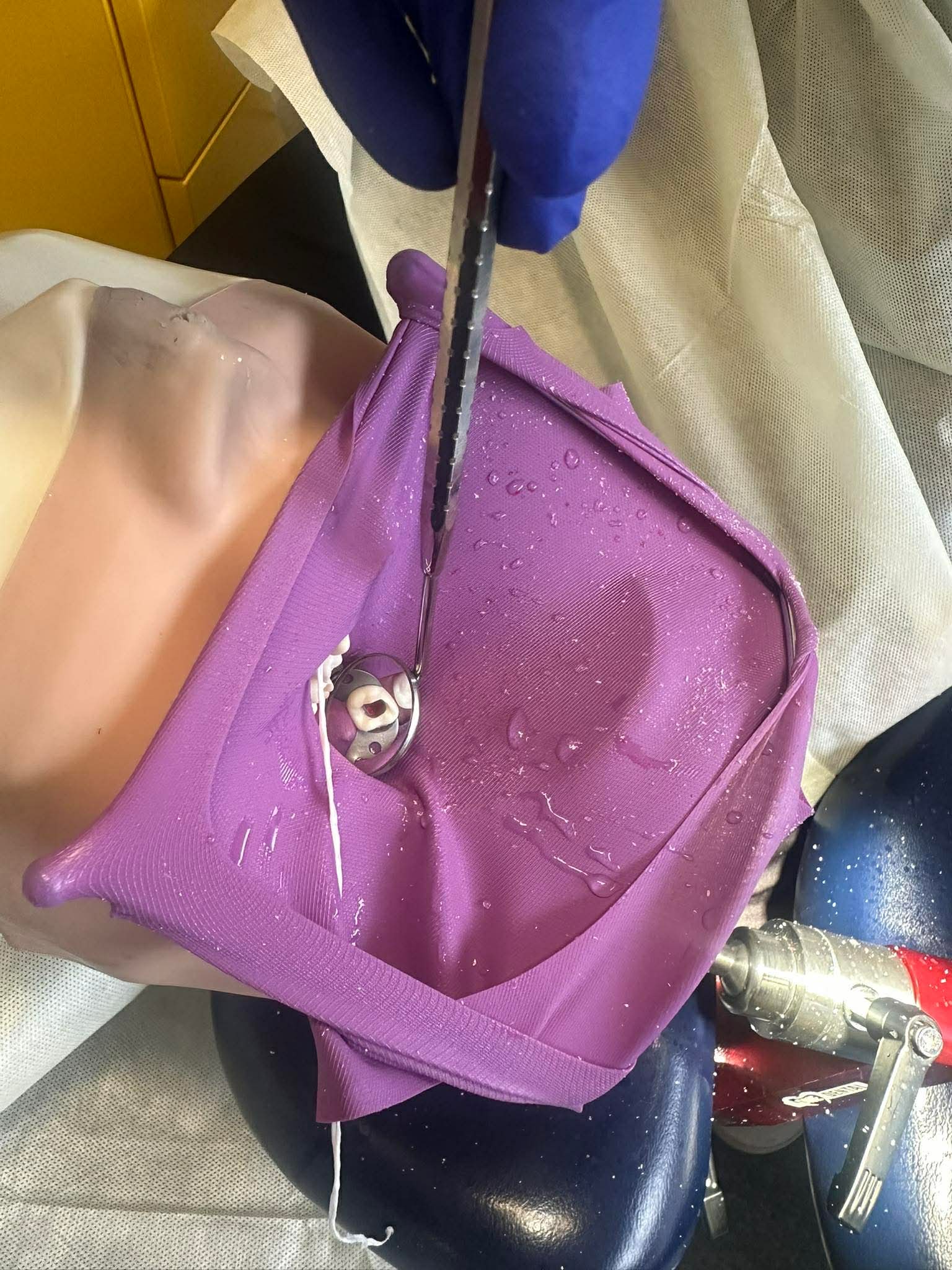
Participants will perform multiple pulpotomies and stainless steel crown placements in a simulation environment. The course also includes practising pulpotomies under rubber dam on upper and lower deciduous molars using dental manikins.
What topics are covered in the course?
The workshop covers the biological factors affecting pulpal health, diagnosis of dental pain, differences between healthy and diseased pulp conditions, treatment planning, pulpotomy procedures, restorative approaches and the evidence behind current management strategies for primary teeth.
Who are the presenters?
The course is presented by Associate Professor Cathy Snelling, an experienced dental educator and clinician with more than 30 years in the profession, and Leah Hobbs, an Oral Health Therapist with experience across public health, private practice, leadership and dental education.