

How to Practise Cavity Preparation at Home with Dental Simulation Tools
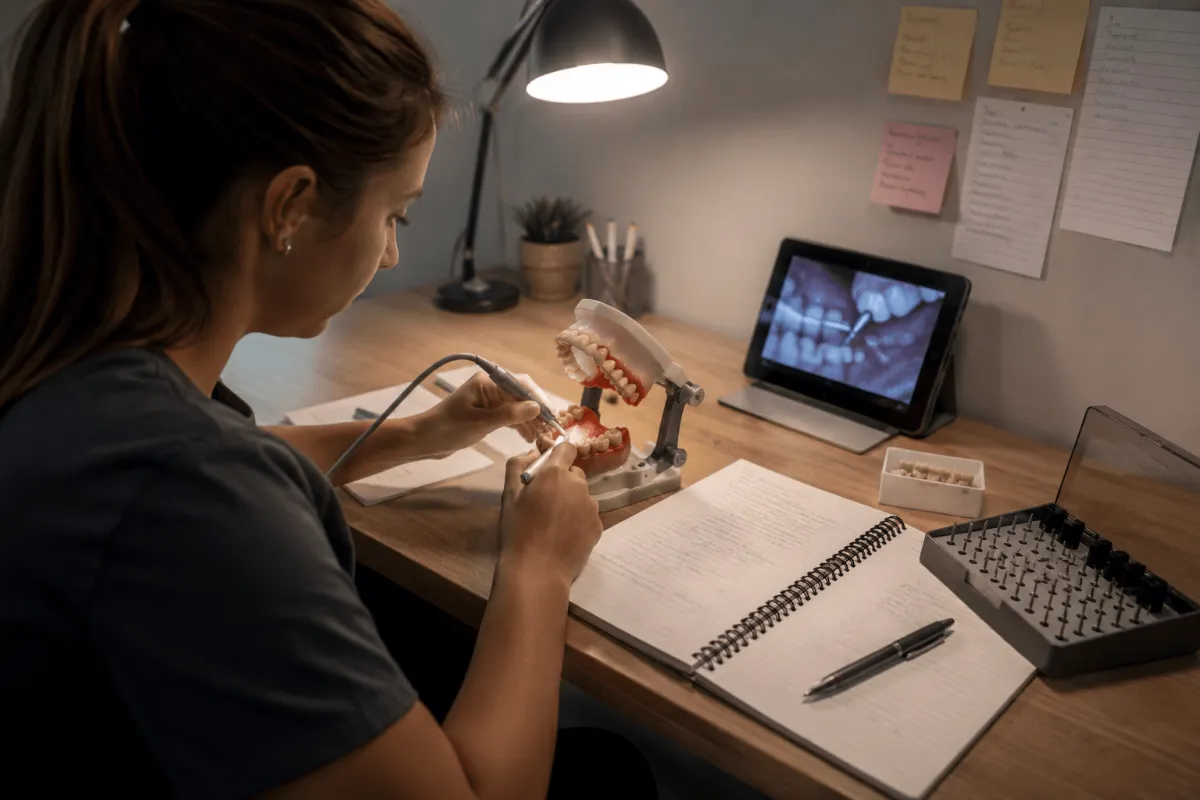
Students who learn and improve the fastest are typically the ones who don’t wait for the next clinical session. They practise at home. Need some work on cavity preparation? You can sit down with dental simulation tools long after everyone else has called it a day. Real improvement usually comes from the repetition that happens outside formal study hours.
At One Dental, we’re your Australian-owned, premier provider of simulation training products and equipment. We’re here to help students refine fine motor skills, positioning and instrument control in lower-pressure environments, whether that’s in university settings or at home.
Setting up a functional home simulation space
Practising at home is one thing. Creating an environment that actually supports productivity is another. Poor lighting conditions will make it really difficult, particularly when managing visibility, depth and margin control during cavity preparation. Ergonomics matter too. Chair height, bench positioning and posture can all affect wrist stability, increase hand fatigue and reduce comfort during repetitive tasks. A proper setup also helps build the right habits that can be carried over into real clinical environments later on.
Then, you’ll need the right tools and equipment. A basic home setup may include a typodont, replacement teeth, handpiece, burs, mirror and other essential simulation instruments, depending on the type of work you’re doing. Stable mounting systems are also important because movement during preparation exercises can impact control and accuracy. The quality of the products will also influence how realistic the anatomy and material resistance feel.
A tidy, organised space fosters a more conducive learning environment. Clutter can interrupt concentration and make sessions feel rushed or unstructured. When instruments, replacement teeth and materials are kept orderly, the focus can be on technique rather than setup issues or missing components. It’s also beneficial for establishing a routine and discipline.
Technique, technique, technique over repetition
Repetition only helps if the technique behind it is actually improving. Don’t rush through repeated cavity preparations, as this can reinforce poor habits rather than improve accuracy and hand control. Slower, more deliberate preparation work gives you time to assess visibility, outline form, depth and instrument movement as you go. Take a moment to reflect on each exercise so you can better identify recurring mistakes and make the right adjustments.
Core technical skills are what everything else builds from. Bur control, for example, has a major influence on smooth movement, preparation accuracy and avoiding unnecessary removal of material. Depth awareness and angulation are just as important because even small inconsistencies can affect the final result. Finger rests also play a big role in stability and precision, particularly when working with fine detail or indirect vision exercises.
Home practice also provides a better setting for critically reviewing your own work. Mirrors, photos or phone recordings can help you spot positioning issues or inconsistencies in technique that you may not notice while actually working. It’s also helpful to review preparation outcomes afterwards more objectively, rather than relying on how things felt in the moment.
Common mistakes students make during home practice
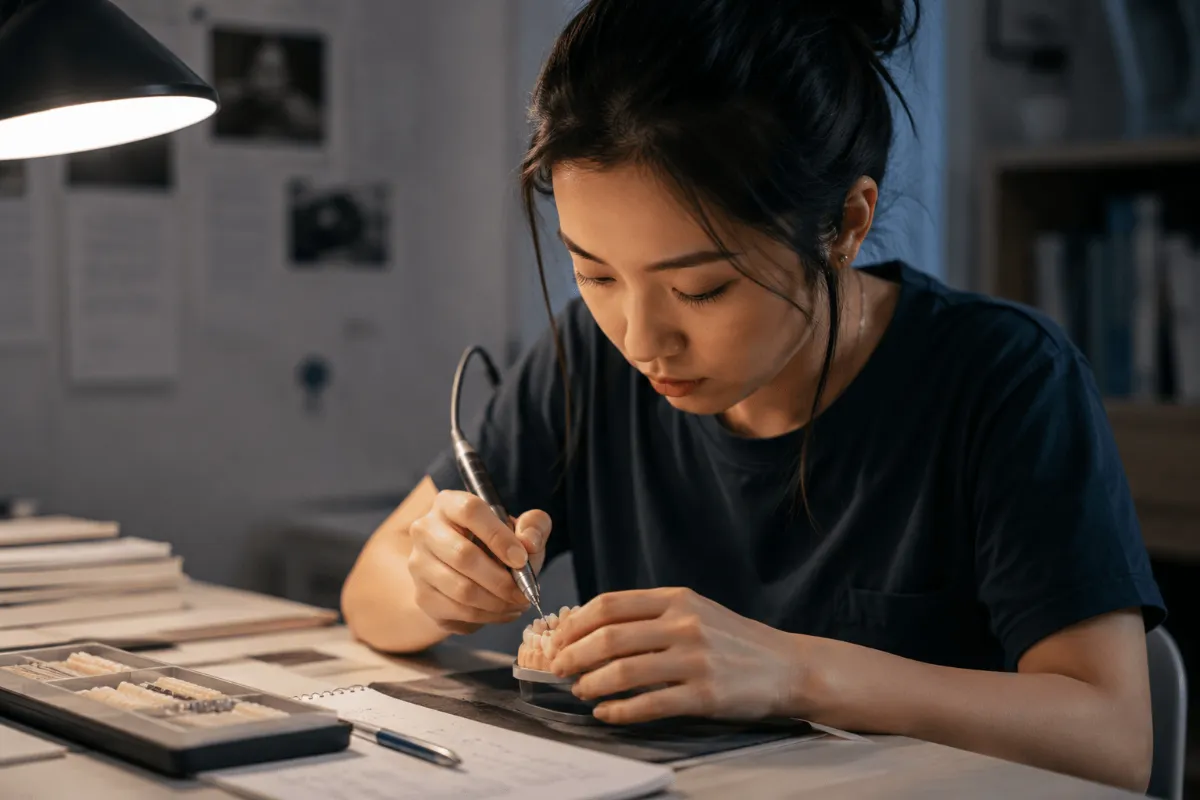
Just as repetition is useless without technique, home practice is only valuable if poor habits aren’t creeping into the routine. Excessive force, poor posture and incorrect hand positioning may seem like small things at first, but they can become much bigger issues later and far harder to correct. And it’s not just technique that suffers. Poor ergonomics may also start affecting wrist control, visibility and overall consistency during longer training sessions.
Sometimes, dental students can mistake completion for progress. Simply finishing multiple preparations doesn’t necessarily mean technique has improved. And if the same mistakes are being repeated without critically assessing the outcome each time, it’s easy to fall into that pattern. Productive practice comes from identifying small adjustments between attempts rather than just increasing the volume of work.
Lastly, tool quality affects learning quality. Simulation teeth and typodont or model components naturally wear down through repeated drilling and adjustment, and this will likely happen faster with frequent home practice. As materials deteriorate, anatomy and tactile resistance may no longer feel as realistic, which can affect your response during exercises. That’s why it’s important to replace worn components and maintain your simulation tools properly.
How to make practice at home more consistent and productive
The final key to ensuring all the extra hours you’re putting in outside the classroom are actually making a difference is consistency. Shorter, more regular sessions are usually far more productive than occasional long sessions that lead to fatigue and reduced concentration. As hand fatigue sets in, precision, visibility and control can start to decline, sometimes without you even realising it. More consistent training also helps reinforce technique and hand skills in a more natural way.
If you’re looking for ways to improve consistency and productivity, start by setting technique-based goals for each session. This makes practice feel more purposeful and less repetitive. Focus on improving one thing at a time, whether that’s outline form, indirect vision control, finger rests or smoother bur movement. It also gives you something specific to review and reflect on afterwards.
Lastly, establish good maintenance habits now to ensure your simulation tools continue providing the best possible experience. Looking after your equipment properly will not only improve its long-term value but help prepare you for the standards and responsibilities of working in a real clinical environment.
Talk to the dental supply experts about simulation tools for home practice
It’s normal to feel overwhelmed and maybe even a little lost in big classroom settings. Practising at home gives dental students the chance to slow things down and focus on the smaller details. Repetition, when done properly and without pressure, is often where confidence, control and consistency really start to develop.
At One Dental, we offer an extensive range of dental simulation and training tools to help students build the skills they need for professional practice. If you’re a student or educator wanting to learn more about suitable products for home practice, contact a friendly member of our team today, or browse our full online catalogue now.

Meet the Author
Joanne Stanbury
Joanne is no ordinary entrepreneur. Long before One Dental was born, she had a vision of owning and running her own business. Two decades later, she’s thriving in a traditionally male-dominated industry.
While Joanne started as a dental therapist in the school dental service in Melbourne, she soon realised her passion for the industry extended far beyond her clinical role. She loved sales and marketing and was willing to work anywhere from administration to accounts.
“I’d work wherever in the business. It didn’t faze me. If staff were needed in the warehouse or in marketing or wherever it was, I would just put my hand up because I saw it as an opportunity to learn.”
When she saw a gap in the market, Joanne drew on her extensive knowledge and experience, assembled an amazing team, and set out to change the dental industry.
Beginning with consultancy, Joanne helped dental companies to grow their business by teaching salespeople and customer service officers how to speak to clinicians with the right lingo and product knowledge. Later, she started seeking out international products, building international relationships, and eventually creating her own products for the market.
Today, Joanne remains a hands-on leader. From product development to assembling kits, answering the phone, and even conversing with customers on the webchat, she’s as involved as ever.
Receiving the entrepreneurial grant from the Australian Government is one of the highlights of Joanne’s career. This achievement paved the way for her to introduce an innovative computer system and an e-commerce website to propel the One Dental brand further.
Juggling the responsibilities of motherhood and business ownership herself, Joanne understands the importance of work-life balance and is dedicated to offering her staff a flexible workplace. They go above and beyond for One Dental, and she does the same for them.
When she’s not at work, Joanne is still shooting for greatness, but courtside as a volunteer manager for her daughter’s basketball team. Her all-time favourite activity is wakeboarding.