

Preparing Students with a Realistic Training Environment
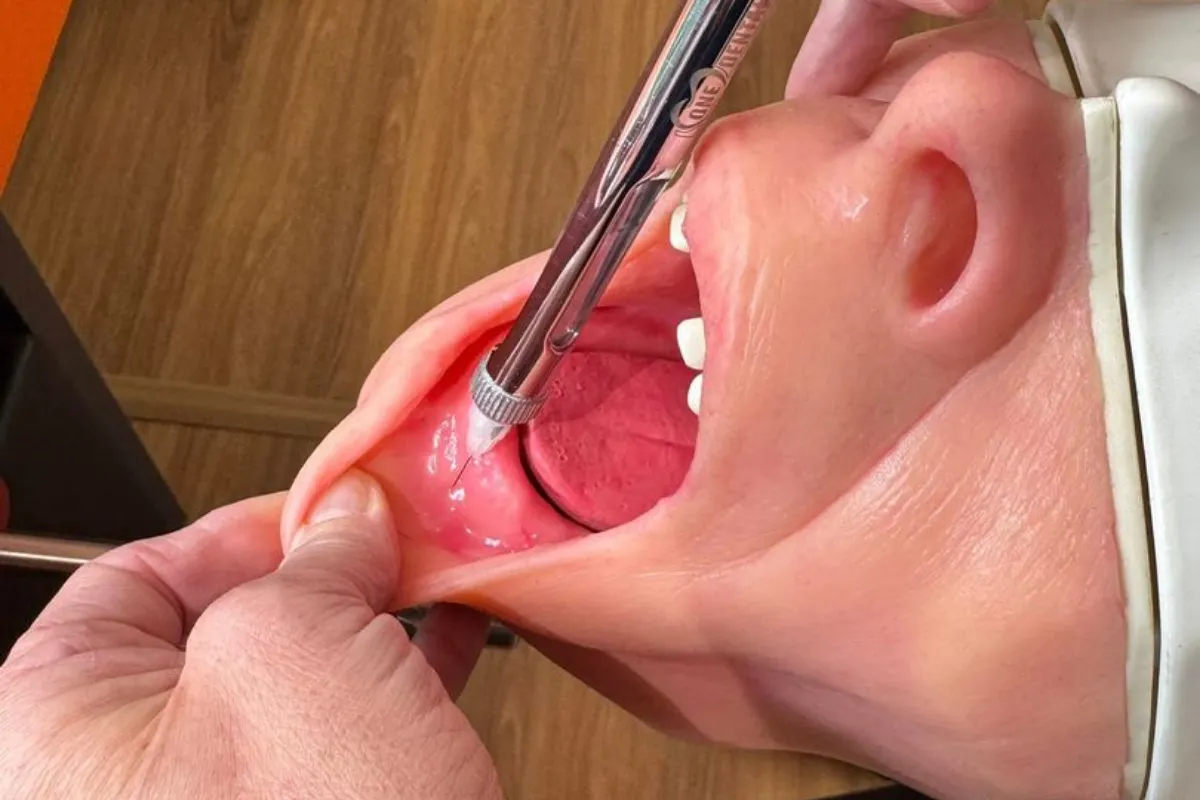
A classroom can only take future professionals so far if it feels nothing like the world they’re stepping into. The closer dental training mimics real practice, the more naturally students develop the instincts, confidence and problem-solving skills they will depend on when it comes time to treat real patients. When the setting feels out of step with clinical expectations, mistakes become more likely, which is why creating an environment that reflects real-world settings is extremely important.
At One Dental, we’ve spent more than two decades working alongside educators and professionals to equip the next generation of dentists. Over that time, we’ve seen through experience that when supportive guidance, reliable tools and careful preparation come together, students are given every opportunity to succeed.
Aligning tools and materials with professional standards
Using instruments, materials and models that match professional standards gives dental students a real feel for what clinical work is like. They get used to the weight, balance and responsiveness of the tools, which sharpens their motor skills and decision-making. Working with the same items they will handle later also helps them see how different products behave in varied situations, building a stronger base for solving problems during real procedures.
Setting up and maintaining equipment the way it’s done in a clinic builds good habits from the start. Learning proper cleaning, sterilisation and organisation early teaches students to be responsible with their tools. These routines reinforce the importance of safety and consistency, so they carry those practices confidently beyond graduation.
Students need to work with the same technologies and methods they will see in today’s surgeries, not the ones that have already been left behind. Letting them handle digital imaging systems, contemporary restorative materials and up-to-date techniques prepares them to work with confidence instead of relearning on the job.
Realistic workflows and time pressures
Training should feel like real appointments, not isolated tasks. Giving students realistic time limits and asking them to follow the same steps they would in a clinic helps them understand how procedures actually unfold. They begin to judge how to pace themselves, where to focus their attention and how to stay thorough even when the clock is ticking.
Part of every treatment in professional practice is accurate record-keeping, so it should be built into practical dental training from the start. Having students complete charts or digital entries as they work helps them see documentation as an essential part of patient care rather than a task to be left for later.
Real clinics are rarely free from interruptions; that’s just how it is. Adding small, unexpected challenges, like a colleague asking a question or a piece of equipment needing adjustment, will teach students to regroup quickly. By practising under these small pressures, they learn to stay calm, make sound decisions and keep their standards high even when focus is put to the test.
Professional behaviour and communication
Professional standards need to be part of training from day one. Students are expected to show the same respect, reliability and ethical behaviour that will be required of them in a clinic. Holding them accountable for these expectations is important in building habits that will carry into every patient interaction and workplace they are part of.
In dental care, communication is just as important as technical skill. Giving students scenarios that call for clear, compassionate conversations helps them learn to find the right words under pressure. For example, explaining a procedure to a patient or addressing an issue with a colleague with empathy and clarity gives them valuable practice in a safe environment.
Dentistry often relies on collaboration, so students need chances to work alongside their peers on shared tasks like case planning or problem solving. These experiences teach them to listen, share responsibility and contribute meaningfully to build the teamwork skills that are essential in real clinical settings.
Assessment and feedback that reflects clinical reality
In professional dentistry, success is not simply completing a procedure. It’s about making thoughtful decisions, working accurately, and always keeping the patient’s wellbeing as top priority. These are the same qualities that show whether a student’s training has truly prepared them for the real pressures and responsibilities of clinical practice.
Clinicians in the field are assessed on infection control, procedural safety and the proper handling of equipment because these directly protect patients and uphold professional standards. That’s why those measures are also part of a student’s assessment, as they reflect dental practice and the level of care expected in every setting.
Debrief sessions can bridge the gap between simulated practice and professional dentistry. They give context to what went right or wrong during an exercise and show how those moments translate to real treatments. This reflection is where students begin to understand the weight of their decisions and how each choice can influence various outcomes.
Talk to the dental supply experts
For dental students in their early years or anyone considering a career in the field, there’s a lot to take in. But it’s an exciting and rewarding path. Hands-on practice and simulation training are essential parts of the journey to give you the chance to refine your skills long before you treat real patients, where precision is critical.
While having the right tools, instruments and equipment is key, the overall learning environment plays an equally important role.
To explore dental education supplies, you can reach out to our friendly, knowledgeable team or browse our extensive product range online.