

How to Create a Teaching Environment That Mirrors Clinical Expectations
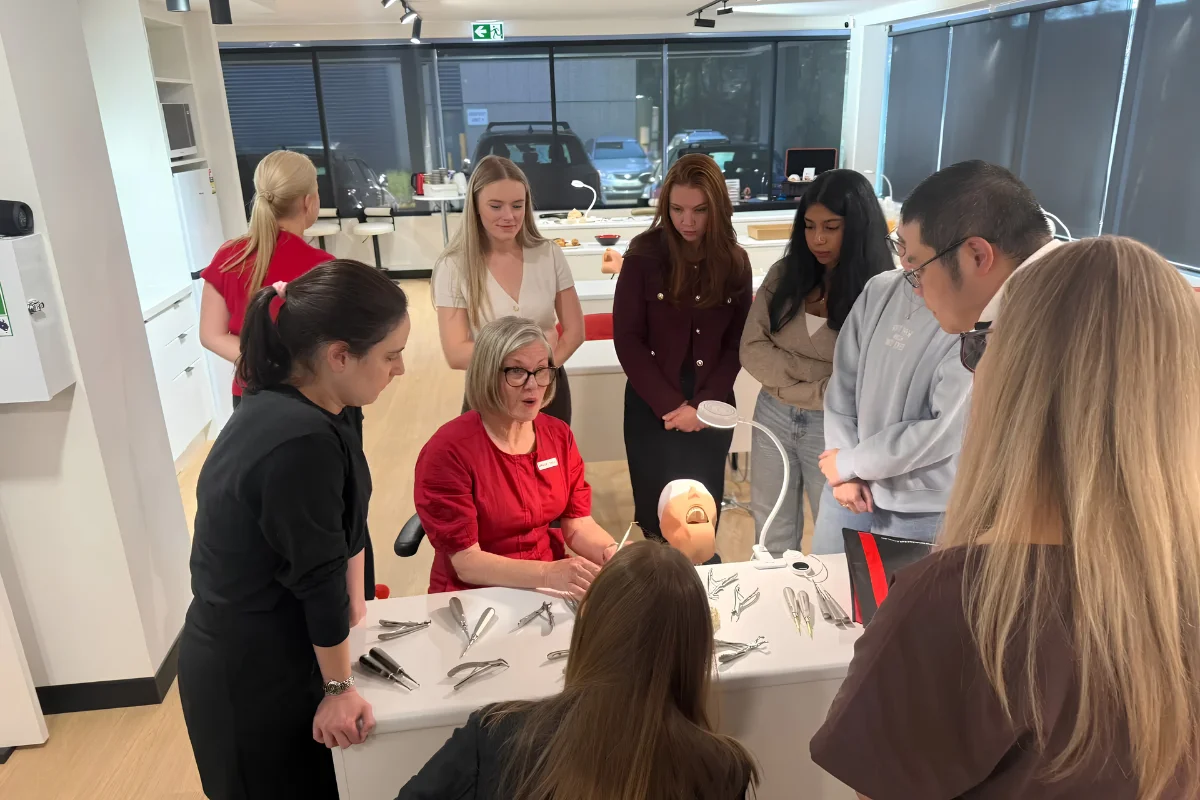
When a student becomes a professional, their first patient won’t care how many simulation hours they put in. They’ll be paying attention to how they perform. That’s why educators need to create dental training environments that actually mirror clinical expectations. Realistic settings help develop confidence, competence and consistency.
At One Dental, we’re your Australian-owned provider of high-quality simulation training products and equipment. The details matter. What students see, experience and become accustomed to throughout their training can shape how naturally they adapt when real patients enter the equation.
Designing simulation spaces around dental practice workflows
To start, simulation spaces should resemble real treatment rooms as closely as possible. This includes proper operator and patient positioning, instrument placement and equipment access. Students become familiar with the layout and develop the spatial awareness and muscle memory needed to work comfortably within it. Consistent workstation organisation also reduces time spent searching for equipment and encourages more efficient workflows.
Clinical routines should be integrated into training. Students can follow the exact same procedures used in practice. Before beginning a task, prepare instruments, check equipment and organise materials as a dental professional would.
Just as infection control measures are essential in the real world, they must be part of their training. From hand hygiene, PPE use, and surface preparation to waste management, try not to view them as an extra or separate lesson. And pack down procedures are equally important as they reinforce a student’s accountability for equipment care, stock management and a safe workspace.
Dental treatment is much more than technical procedures. It also involves decision-making and post-treatment responsibilities. That’s why the environment is crucial, and training exercises should follow the entire workflow. This way, students see how individual skills fit within the bigger picture of patient care.
Using equipment and materials that reflect clinical reality
The goal isn’t just to teach procedures. It’s to give students an experience that feels representative of the work they’ll eventually be doing. That’s difficult to achieve if models, instruments and materials don’t perform consistently or accurately reflect the anatomy being studied.
Significant differences in the environment, including equipment, can create a real disconnect when students move into clinical practice. It can affect how they approach procedures and what they expect them to feel like. The greater the gap between simulation and reality, the more adjustments will be required from the new professional. Ideally, those adjustments should be minimal.
For educational institutions, it’s a balancing act between realism and practical considerations such as budgets, student numbers and the longevity of training resources. Not every product needs to be an exact clinical equivalent but must be reliable, consistent and appropriate for the skills you’re trying to teach. Investing in quality simulation items can help maintain the best possible training experience while reducing the disruptions that can be caused by equipment failure, poor durability and variations in performance.
Building professional standards into everyday training
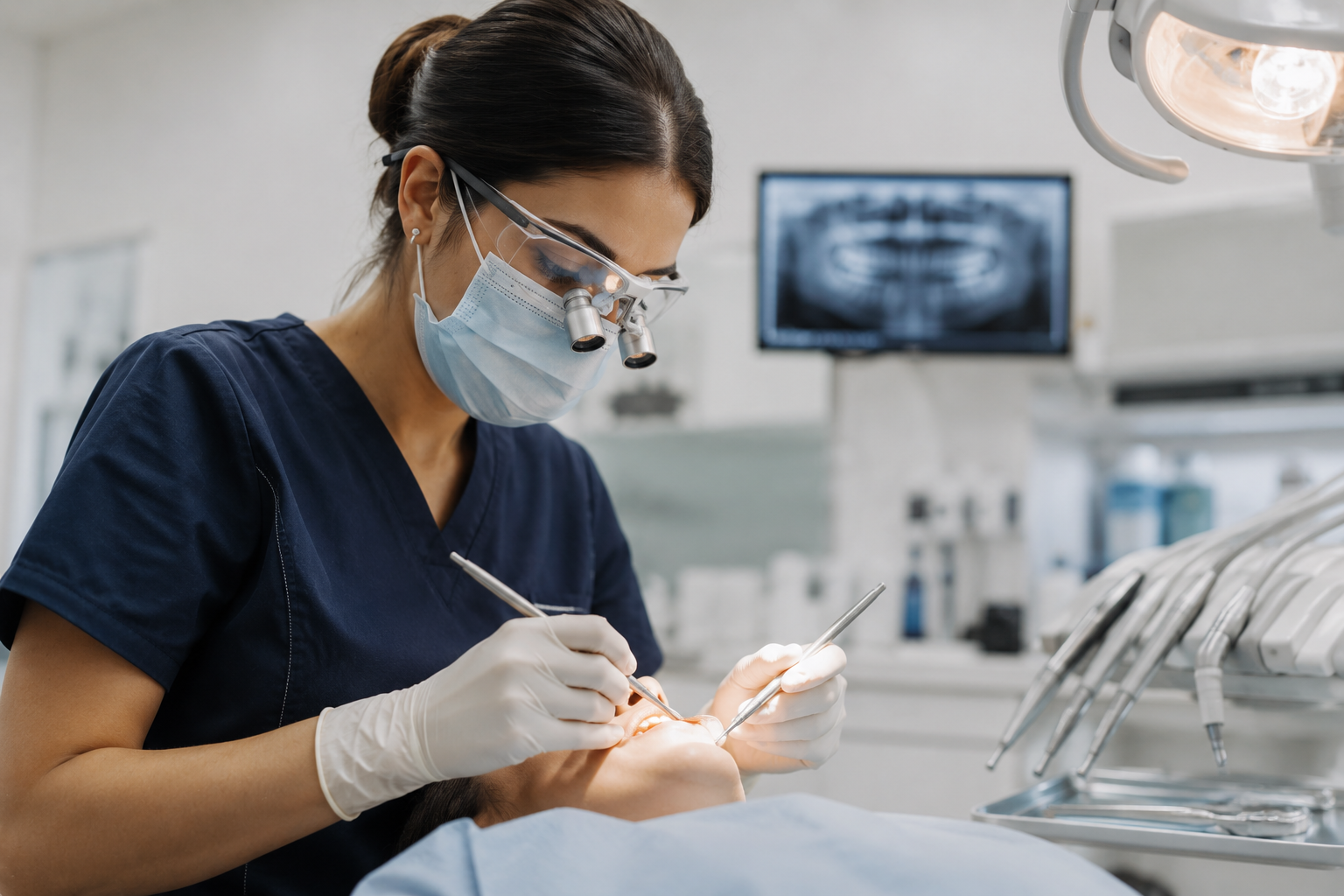
Encourage students to approach simulation sessions as they would a real appointment with a human sitting in the chair. Mindset matters, and it’s best to learn expectations around presentation, preparation, conduct and communication now, as this often shapes how seriously they take the responsibilities that come later.
The training environment is also where punctuality, preparation and conduct are reinforced. Clinical standards, time constraints and workflow requirements shouldn’t appear only during placements. They should be part of everyday training.
A positive atmosphere for learning needs more than good tools and repetition for skill development. Behaviours become routine, for better or worse. It’s imperative to ensure the training space provides opportunities for students to take ownership of their work rather than simply complete tasks.
Creating realistic clinical challenges and decision-making opportunities
In the professional world, not every procedure unfolds exactly as planned. That’s why, when creating a teaching environment, there should always be situations that push students to think beyond set steps and sequences. Introduce scenarios where careful assessment and problem-solving are required before determining the most appropriate course of action. It’s not enough to simply complete a task. Students need to understand the reasoning behind it.
Real patients also present with different anatomy, conditions and challenges, which is another reason simulation exercises can’t follow the same format all the time. Varying case complexity, treatment requirements and available information create a broader range of experiences, while unexpected complications encourage attentiveness rather than reliance on memorisation.
Dentistry and decision-making go hand in hand. Some training exercises can be structured around competing priorities, limited time or fluctuating circumstances. This will help students learn to weigh options, exercise judgement and justify their reasoning, while also becoming more comfortable navigating uncertainty when answers aren’t always straightforward.
Talk to the dental supply experts about simulation environment essentials
Students notice far more than the procedures they are being taught. They also absorb the standards, routines and behaviours that surround them. When these elements are deliberately built into a teaching environment, the result is a more authentic educational experience and a stronger foundation for professional practice.
At One Dental, we offer an extensive range of dental simulation and training products to support practical, hands-on dental education. Whether you’re equipping a university, TAFE or training institution, our team can help you find the right models, simulation tools and teaching resources for your needs. Contact us today or browse our full online catalogue.

Meet the Author
Joanne Stanbury
Joanne is no ordinary entrepreneur. Long before One Dental was born, she had a vision of owning and running her own business. Two decades later, she’s thriving in a traditionally male-dominated industry.
While Joanne started as a dental therapist in the school dental service in Melbourne, she soon realised her passion for the industry extended far beyond her clinical role. She loved sales and marketing and was willing to work anywhere from administration to accounts.
“I’d work wherever in the business. It didn’t faze me. If staff were needed in the warehouse or in marketing or wherever it was, I would just put my hand up because I saw it as an opportunity to learn.”
When she saw a gap in the market, Joanne drew on her extensive knowledge and experience, assembled an amazing team, and set out to change the dental industry.
Beginning with consultancy, Joanne helped dental companies to grow their business by teaching salespeople and customer service officers how to speak to clinicians with the right lingo and product knowledge. Later, she started seeking out international products, building international relationships, and eventually creating her own products for the market.
Today, Joanne remains a hands-on leader. From product development to assembling kits, answering the phone, and even conversing with customers on the webchat, she’s as involved as ever.
Receiving the entrepreneurial grant from the Australian Government is one of the highlights of Joanne’s career. This achievement paved the way for her to introduce an innovative computer system and an e-commerce website to propel the One Dental brand further.
Juggling the responsibilities of motherhood and business ownership herself, Joanne understands the importance of work-life balance and is dedicated to offering her staff a flexible workplace. They go above and beyond for One Dental, and she does the same for them.
When she’s not at work, Joanne is still shooting for greatness, but courtside as a volunteer manager for her daughter’s basketball team. Her all-time favourite activity is wakeboarding.