

Dental Simulation Model Maintenance Tips for Long Term Training Use
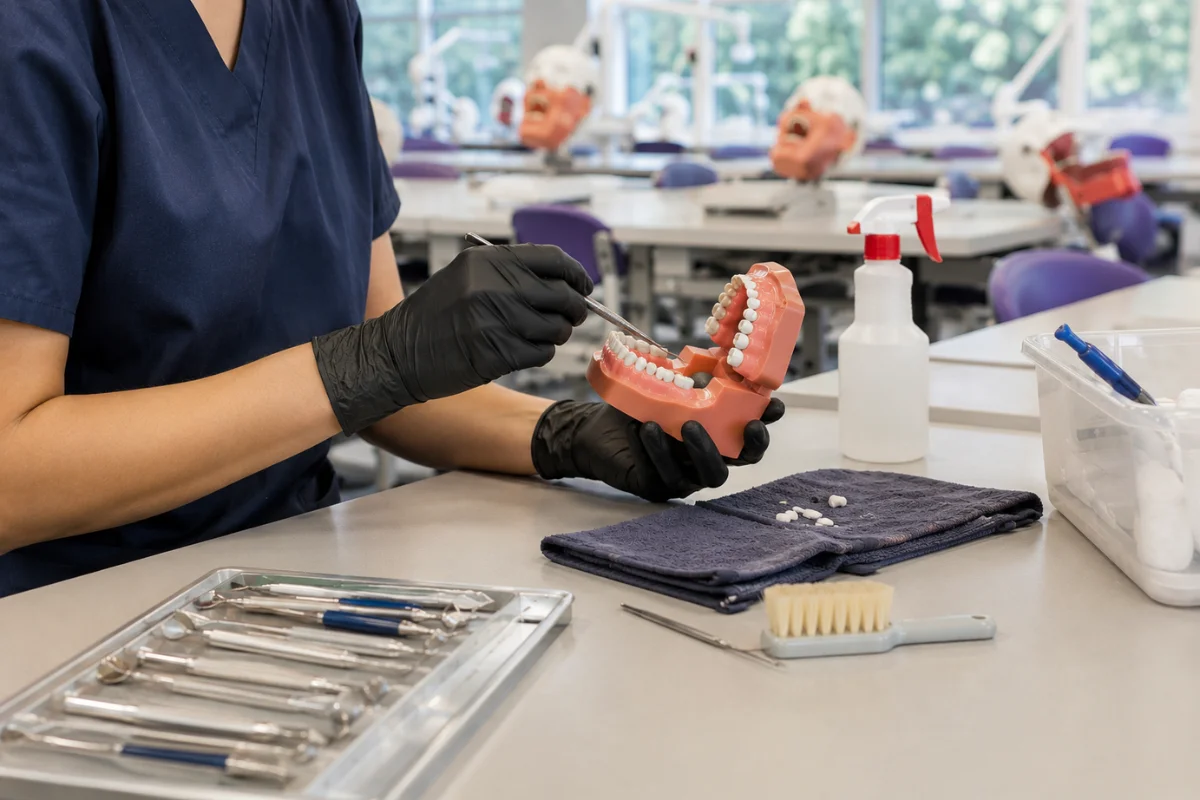
Clinical skills require repetition. But repetition takes a toll on the condition of the tools, and that can make the difference between productive practice and practice that does more harm than good. Simulation models are designed for longevity. Their whole purpose is to provide endless opportunities for developing precision. However, without proper maintenance, realism, consistency and usability can gradually decline. It’s something both students and educators need to keep in mind.
At One Dental, we’re an Australian-owned supplier of dental tools, instruments and simulation products for professionals, students and educators, including high-quality models. Keeping up with basic care from the beginning helps maximise the lifespan of your model while protecting the consistency and quality of your training experience.
Storing dental simulation models correctly
Storage methods will directly affect the long-term quality of your simulation models. These items are made from plastics, resins and silicon-style materials that gradually break down when exposed to heat or direct sunlight for extended periods. This heat exposure can lead to warping, brittleness or changes in fit, especially in removable teeth and soft tissue components. And it’s not just heat. Moisture and humidity can affect adhesives, internal components and soft tissue materials, while dust buildup can settle into fine anatomical detail and moving parts.
Because of this, models should be kept in clean, dry environments away from windows, heaters and direct sunlight to help maintain material stability. To prevent dust accumulation, use a protective container or cover. This will also minimise the risk of accidental knocks and scratches, particularly during transport. And avoid stacking heavy items on top of models or overcrowding shelves. Ongoing pressure like that can distort soft tissue areas, loosen compartments or damage the finer structures.
In shared simulation labs, models are frequently moved between classrooms, benches and storage areas, which can lead to damage or missing components. To prevent this as much as possible, label trays, individual compartments and designated storage spaces for easier tracking and reduced unnecessary handling.
Cleaning models without damaging materials
But even with careful storage, simulation models still collect residue and wear through everyday use, and that needs ongoing attention. Composite residue, wax, articulating paper marks and polishing compounds can gradually build up on surfaces and alter their texture or appearance. Over time, this residue may fill fine anatomical detail or create surface roughness that affects realism during practical exercises, along with tactile feedback. Some materials can also stain or bond to surfaces if left for extended periods, particularly on lighter coloured gingival components.
Different simulation models are made from different materials, which means cleaning methods can vary from one product to another. In general, it’s best to avoid harsh chemicals, alcohol-based cleaners, and abrasive scrubbing tools, as they can wear down surfaces, cause discolouration, or leave scratches that affect realism. Following the manufacturer’s care instructions helps protect material integrity and reduces the risk of accidental damage to removable teeth, soft tissue inserts and mounting components.
Light cleaning after each session helps prevent residue from settling or becoming difficult to remove later. In many cases, it’s the aggressive cleaning methods that cause more long-term damage through surface abrasion, excessive pressure or chemical exposure. Consistent maintenance also makes it easier to spot early signs of wear before they begin affecting training quality or overall usability.
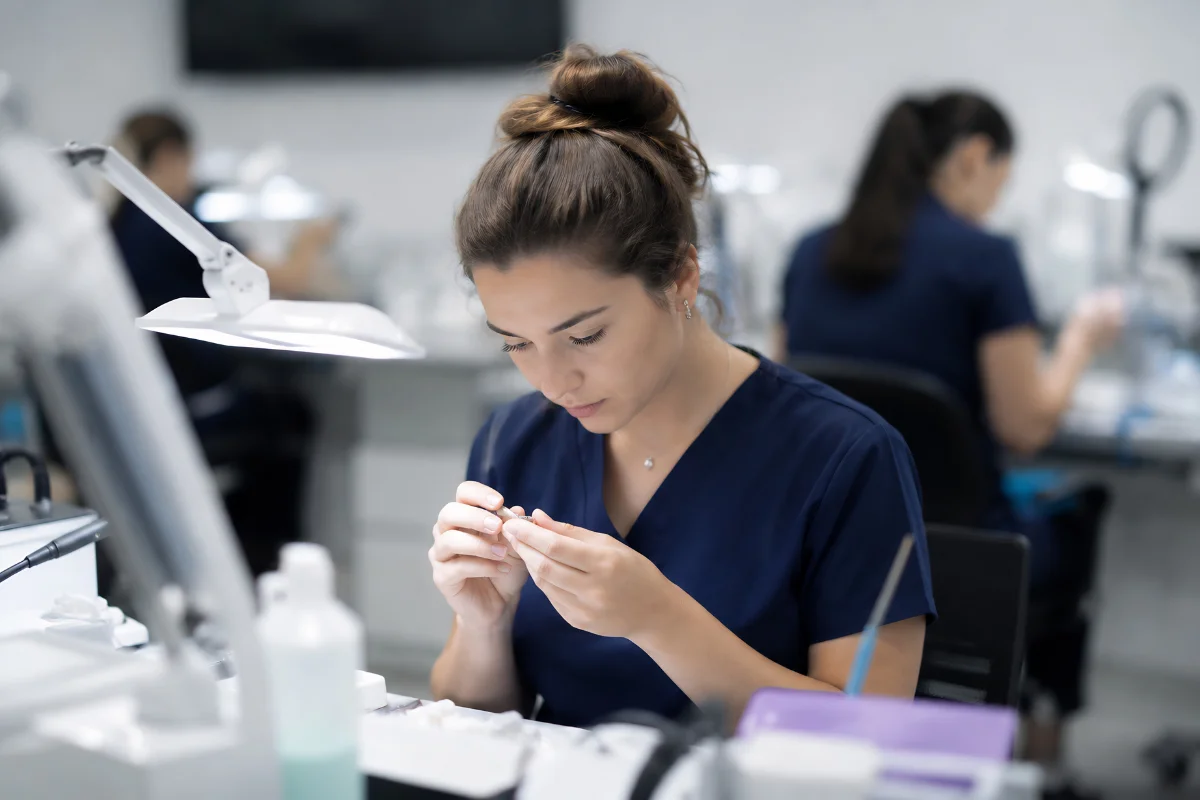
While proper storage and cleaning will help preserve a dental simulation model for as long as possible, repeated use will still lead to gradual wear. Common signs of deterioration include loose teeth, surface cracking and worn contact points. Fine anatomical detail can also gradually wear down through repeated instrumentation, drilling and adjustment. The changes are often subtle at first, but even minor deterioration can begin affecting model performance and realism.
Over time, students may begin adjusting their technique to compensate for the condition of the model rather than developing consistent clinical movements and control.
In universities and simulation labs, shared models often experience heavier and more varied use, which can accelerate wear and increase the likelihood of unnoticed damage. Routine inspections help educators identify models that are no longer providing an optimal training experience. Keeping models in comparable condition across the teaching environment also supports fairer learning and more reliable student skill development.
Creating better habits during dental simulation sessions
The way simulation models are handled during training sessions is just as important as how they’re stored or cleaned afterwards. Excessive force, rough handling and improper instrument use can place undue stress on removable teeth, gingival components and mounting systems. Repeated misuse may lead to premature cracking, loosening or distortion that shortens the usable lifespan of the model. Using instruments outside their intended purpose can also damage fine anatomical detail.
It’s best for students to learn early to approach simulation sessions with the same care and structure they would use in a clinical setting. Proper setup, careful handling and organised pack down procedures help reinforce good habits from the beginning. These habits also support workflow efficiency, accountability and greater attention to detail during practical training.
Understanding how everyday handling affects simulation equipment helps students recognise the importance of maintaining shared training resources properly. Respect for equipment is part of professionalism, particularly in environments where multiple students rely on the same tools and materials throughout their training. Good maintenance habits also support more sustainable use of resources by reducing unnecessary replacements.
Talk to the suppliers of high-quality dental simulation equipment
Well-maintained simulation models help keep practical training focused on what actually matters: repetition, refinement and developing confidence in clinical technique.
At One Dental, we’re here to support dental students and educators with all their simulation needs. Our team know the products well, and if you’d like advice on which products are right for you or whether it’s time to replace your models, feel free to contact us.
View our extensive online catalogue now.

Meet the Author
Joanne Stanbury
Joanne is no ordinary entrepreneur. Long before One Dental was born, she had a vision of owning and running her own business. Two decades later, she’s thriving in a traditionally male-dominated industry.
While Joanne started as a dental therapist in the school dental service in Melbourne, she soon realised her passion for the industry extended far beyond her clinical role. She loved sales and marketing and was willing to work anywhere from administration to accounts.
“I’d work wherever in the business. It didn’t faze me. If staff were needed in the warehouse or in marketing or wherever it was, I would just put my hand up because I saw it as an opportunity to learn.”
When she saw a gap in the market, Joanne drew on her extensive knowledge and experience, assembled an amazing team, and set out to change the dental industry.
Beginning with consultancy, Joanne helped dental companies to grow their business by teaching salespeople and customer service officers how to speak to clinicians with the right lingo and product knowledge. Later, she started seeking out international products, building international relationships, and eventually creating her own products for the market.
Today, Joanne remains a hands-on leader. From product development to assembling kits, answering the phone, and even conversing with customers on the webchat, she’s as involved as ever.
Receiving the entrepreneurial grant from the Australian Government is one of the highlights of Joanne’s career. This achievement paved the way for her to introduce an innovative computer system and an e-commerce website to propel the One Dental brand further.
Juggling the responsibilities of motherhood and business ownership herself, Joanne understands the importance of work-life balance and is dedicated to offering her staff a flexible workplace. They go above and beyond for One Dental, and she does the same for them.
When she’s not at work, Joanne is still shooting for greatness, but courtside as a volunteer manager for her daughter’s basketball team. Her all-time favourite activity is wakeboarding.