

Comparing Stainless Steel and Titanium Nitride Dental Instruments
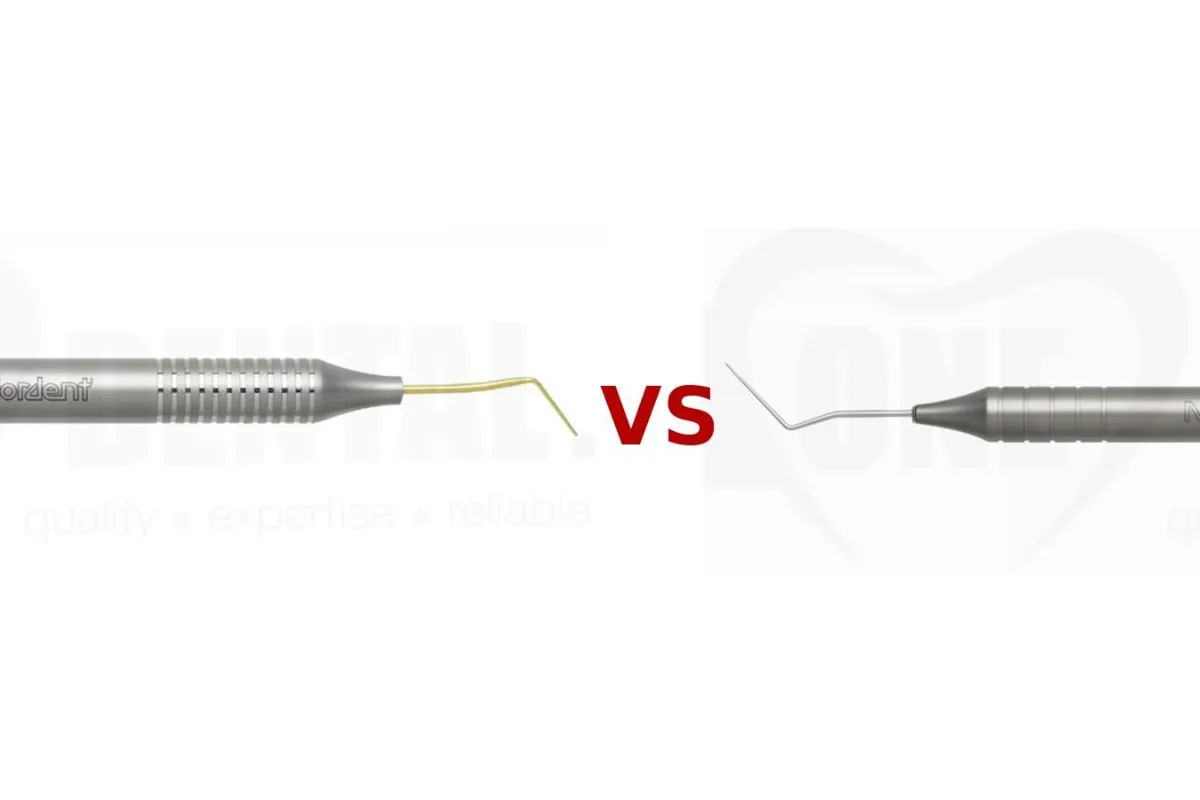
Two instruments can look identical in your hands and yet behave very differently under pressure. That difference becomes obvious the second each meets enamel, composite or dentine. Subtle changes in how a surface cuts, resists wear or holds its edge can impact both efficiency and control. And gradually, those small differences are what shape clinical preference and performance.
At One Dental, we’re a trusted Australian supplier of dental products, including instruments, simulation training, supplies and equipment. We understand the nuances of how different materials behave, and here’s what to consider when those differences begin to influence clinical outcomes.
Stainless steel as the clinical baseline
Stainless steel combines high strength and hardness, allowing it to withstand force without bending or deforming during dental procedures. That’s why it remains widely used. Certain grades can be heat-treated to increase hardness further, which supports clean, controlled cutting under load. It also maintains its integrity through repeated sterilisation cycles, which is critical in dental settings.
The rigidity of stainless steel means less flex during use and more consistent control over fine movements. Because it’s a standard material in most training environments, it provides familiar and repeatable feedback to help build technique and muscle memory.
While sturdy and corrosion-resistant, the protective surface layer of stainless steel can be damaged, which may lead to rust, pitting or degradation over time. Repeated use and sterilisation will gradually wear and dull the edge, and surfaces can experience material adhesion or friction, particularly when working with composites or debris.
What titanium nitride coatings actually change
Firstly, what is titanium nitride? It’s a micro-thin ceramic coating applied to metal surfaces, like dental instruments, through processes like physical vapour deposition. The purpose is to enhance the surface properties without altering the core structure. Underneath, the strength and rigidity of the stainless steel essentially remain the same.
With a higher surface hardness than stainless steel, titanium nitride coating helps resist scratching and surface wear, which leads to longer edge retention. This is particularly the case for instruments used repeatedly under pressure. It also provides an additional barrier against corrosion and chemical exposure to support clinical longevity.
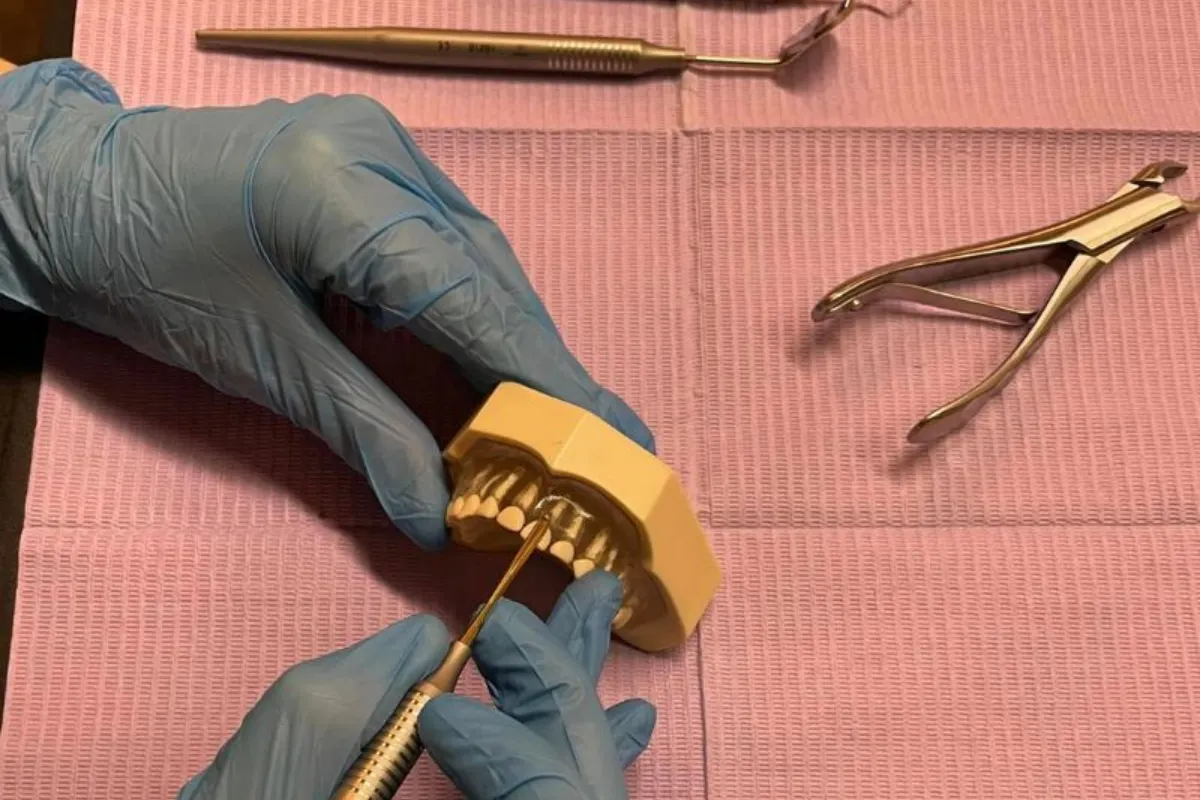
The coating also produces a smoother, lower-friction surface that improves glide and control while reducing drag during use. Material adhesion, such as composite sticking to the instrument exterior, is also less likely.
Clinical implications of coating on day-to-day procedures
The improved edge retention discussed above means an instrument can retain its sharpness for longer, which helps keep performance consistent between procedures. When working across multiple patients or repeating the same movements throughout the day, consistency matters.
Reduced adhesion is particularly relevant in restorative work, where composite handling has to remain controlled. As soon as material starts sticking, it interrupts the flow and can affect placement, so a surface that resists that will minimise disruptions.
Lower friction and smoother surfaces also help with repetitive or fine-detail work. With less drag, movements stay cleaner, which helps maintain control and reduces fatigue over time.
Where the difference actually matters in clinical practice
So, when is stainless steel the best option? Typically, where rigidity, cost-effectiveness and familiarity are the priority. It offers consistent rigidity, which is critical in procedures that rely on controlled force and stability. It’s also more affordable than coated alternatives, making bulk purchasing far more practical for clinics and educational institutions.
Given how widely it’s used, most clinicians are trained on it and are comfortable with how it responds in the hand. That familiarity supports consistency in technique and helps build confidence. It is also easier to maintain, sharpen and replace, which makes it extremely well-suited to high-turnover settings like universities.
When it comes to titanium nitride coating, the increased surface hardness offers clear advantages in high-wear, high-precision and material-sensitive procedures. As discussed, it supports controlled fine movements and reduces adhesion from materials prone to sticking, which improves handling during placement. These benefits tend to be more noticeable in specialised or repetitive tasks rather than general use.
Coating is not permanent, and its performance depends on both the quality of application and how well the instrument is maintained. Titanium nitride is typically applied in very thin layers, and the method used can influence bond strength and resistance to wear. Over time, it may wear down, chip or delaminate under repeated sterilisation and mechanical stress, and once compromised, the advantage is lost and the underlying stainless steel will behave as normal.
Talk to the dental supply experts
Stainless steel versus titanium nitride coating? Favouring one over the other isn’t really the point. It’s more about recognising how each option performs in different situations. And they may be slight, but there are variations in instrument movement, wear, and response in use that can all impact efficiency, durability and the overall feel in the hand.
At One Dental, we understand these nuances across education, training and professional clinical environments. We offer a wide range of instruments in both stainless steel and titanium nitride coating, and our team can help guide your selection if you’re unsure what suits your needs.
Contact us or browse our entire catalogue online now.

Meet the Author
Joanne Stanbury
Joanne is no ordinary entrepreneur. Long before One Dental was born, she had a vision of owning and running her own business. Two decades later, she’s thriving in a traditionally male-dominated industry.
While Joanne started as a dental therapist in the school dental service in Melbourne, she soon realised her passion for the industry extended far beyond her clinical role. She loved sales and marketing and was willing to work anywhere from administration to accounts.
“I’d work wherever in the business. It didn’t faze me. If staff were needed in the warehouse or in marketing or wherever it was, I would just put my hand up because I saw it as an opportunity to learn.”
When she saw a gap in the market, Joanne drew on her extensive knowledge and experience, assembled an amazing team, and set out to change the dental industry.
Beginning with consultancy, Joanne helped dental companies to grow their business by teaching salespeople and customer service officers how to speak to clinicians with the right lingo and product knowledge. Later, she started seeking out international products, building international relationships, and eventually creating her own products for the market.
Today, Joanne remains a hands-on leader. From product development to assembling kits, answering the phone, and even conversing with customers on the webchat, she’s as involved as ever.
Receiving the entrepreneurial grant from the Australian Government is one of the highlights of Joanne’s career. This achievement paved the way for her to introduce an innovative computer system and an e-commerce website to propel the One Dental brand further.
Juggling the responsibilities of motherhood and business ownership herself, Joanne understands the importance of work-life balance and is dedicated to offering her staff a flexible workplace. They go above and beyond for One Dental, and she does the same for them.
When she’s not at work, Joanne is still shooting for greatness, but courtside as a volunteer manager for her daughter’s basketball team. Her all-time favourite activity is wakeboarding.