

Rubber Dam Placement Tips For Students Learning Isolation Techniques
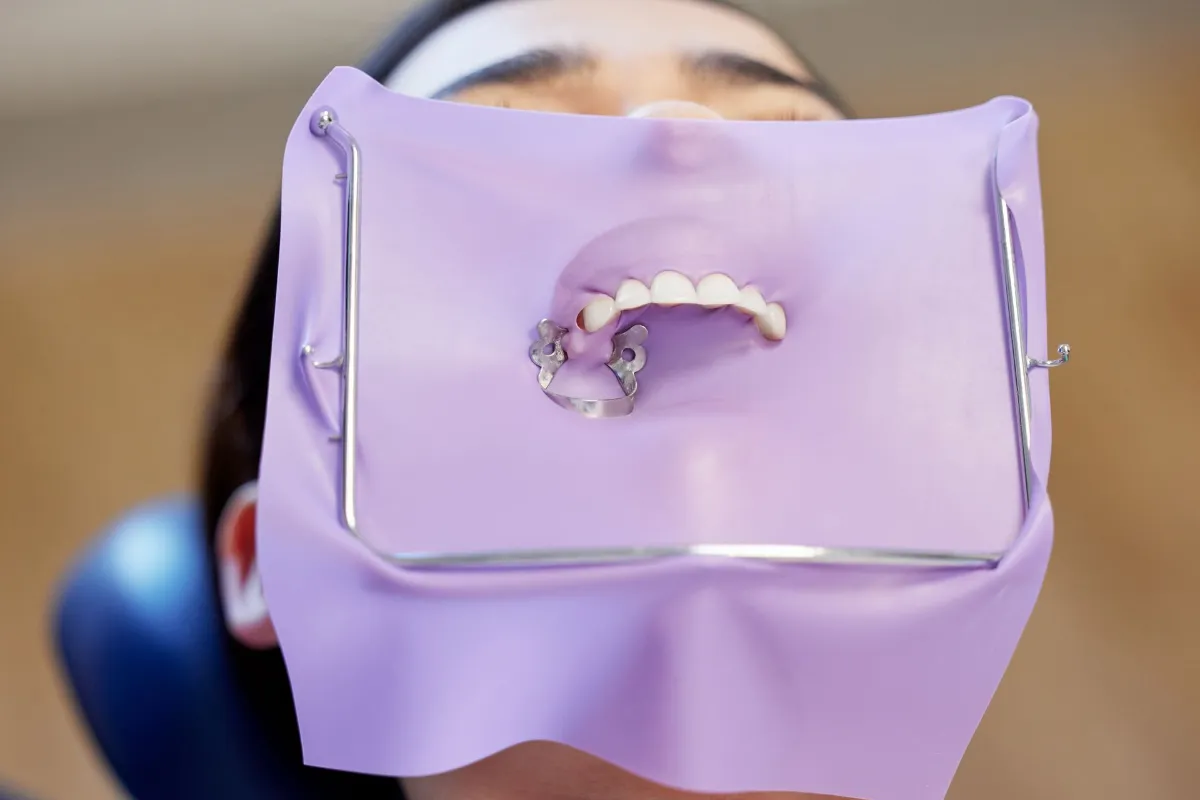
Some clinical skills only start to make sense once your hands have done them a few dozen times. Or more. Rubber dam placement can be one of those things. It can feel awkward and time-consuming in the beginning, but it is an important part of restorative dentistry and endodontic training. If you are feeling this way, that is normal. A few practical tips can help make isolation techniques easier to manage.
At One Dental, we are an Australian-owned dental supply company providing quality products, reliable service and expert advice. We work with students, educators and private practices across the country and internationally. But when it comes to the next generation of dental professionals, we know there is more to learn than the tools alone. Experience matters just as much as the equipment.
The purpose of rubber dam isolation
Rubber dams serve several purposes in dentistry. For restorative work, moisture control is one of the most important. Saliva, blood and gingival crevicular fluid can all interfere with modern dental materials such as adhesives and resin composites. When contamination occurs, bonding strength can be reduced, leading to premature failure of restorations. By isolating the tooth from the surrounding oral environment, the dam helps maintain a dry field so these materials perform as intended.
Safety is another important function. Rubber dams provide a protective barrier during many procedures, but particularly in endodontic treatment, where they are considered standard practice. This barrier reduces the risk of small instruments, restorative materials or debris being swallowed or aspirated by the patient. It also protects surrounding tissues from chemicals and irrigants. Solutions such as sodium hypochlorite are used to disinfect canals and can irritate or damage oral tissues if they are not properly contained.
For students, learning to work with rubber dams isn’t just about the rubber dam itself. It’s about understanding how to operate in a controlled environment. Instead of constantly managing saliva, tongue movement and soft tissue interference, the working field becomes more stable, predictable and sterile. Rubber dam use also reduces contamination from saliva and oral bacteria during procedures and reinforces the hygiene standards students will be expected to follow once they move into clinical practice.
Understanding the components before placement
Rubber dams do not work as a sheet in isolation. The system involves several components working together, including the dam sheet, frame, clamp, clamp forceps and a punch for creating holes. Each part has a specific role in securing the dam and maintaining isolation throughout treatment. Before placement starts to feel comfortable, you will need time to become familiar with how these pieces interact. For example, the punch determines where the teeth emerge through the sheet, and the clamp anchors the dam to the tooth.
Clamp selection depends on the anatomy of the tooth being isolated, so choosing the correct one is an important step in achieving stable isolation. Clamps are designed with different shapes and jaw configurations to accommodate variations in crown form and cervical contour. Factors such as crown size, gingival contour and eruption level all influence which clamp will provide the most secure grip. The right choice also helps prevent slipping and improves the seal around the tooth.
Hole placement and spacing affect tension and stability. Each hole should correspond to the tooth being isolated, and the spacing determines how the dam stretches once it is placed. If holes are too close together or too far apart, the dam can wrinkle, tear or fail to seal properly. Correct spacing allows the dam to stretch across the arch while maintaining enough tension to retract soft tissues and keep the working area visible.
Common placement challenges
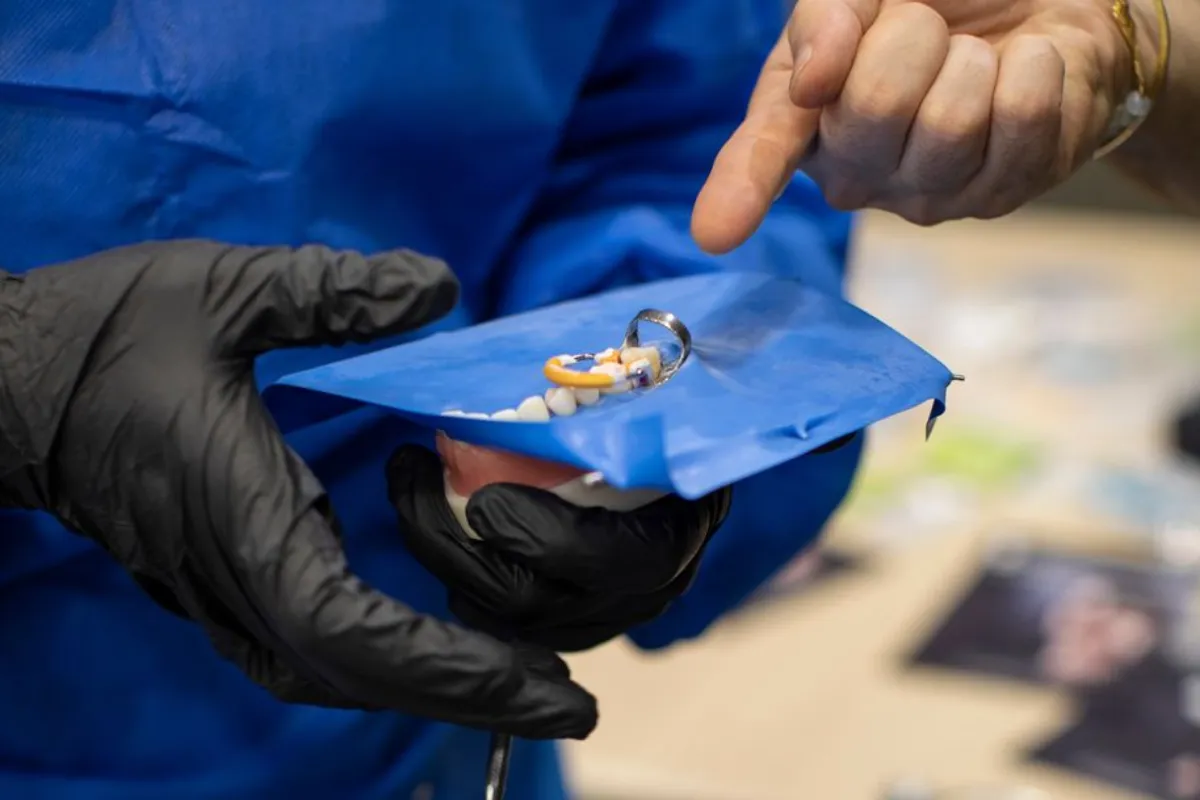
At first, placing a rubber dam can feel a little tricky, and most students will run into the same obstacles throughout the learning process. Coordination, familiarity with the entire system and the simple reality that the procedure involves several sequential steps are all among them. Common placement challenges include:
- Clamp stability and patient comfort – securing a clamp can be difficult in the beginning. It needs to engage the cervical contour of the tooth firmly enough to hold the dam in place without creating unnecessary pressure on the surrounding gingiva. This is where choosing the right clamp becomes crucial.
- Tearing around the punched holes – when holes are too close together or the dam is stretched too aggressively over the teeth, tearing can happen. That’s why hole punching is a bit of an art.
- Limited visibility in posterior regions – isolating molars can be particularly challenging because access and visibility are naturally more restricted at the back of the mouth. Students must learn to work with indirect vision while coordinating the clamp, sheet and frame at the same time. Until this sequence becomes familiar, the process can feel slower and less controlled.
Some practical tips for dental students
A few small adjustments can make rubber dam placement easier and more predictable during training! They include:
- Check clamp stability first – test the clamp directly on the tooth before introducing the dam. This helps confirm the clamp fits the cervical contour securely and reduces the risk of it shifting once the sheet is in place.
- Use floss ligatures for extra control – tying dental floss around the isolated tooth can help stabilise the dam and improve retraction around the cervical margin. It also helps secure the dam if a clamp becomes dislodged.
- Help the dam pass through contact points – a small amount of water-based lubricant or dental floss can guide the sheet between tight contacts and reduce the chance of tearing during placement.
Talk to the dental supply experts
Like any new skill, some parts of the dental education journey can feel insurmountable at first. With repetition and familiarity, they eventually become second nature. The more often you work with proper isolation, the more confident and comfortable you become managing visibility, moisture control and patient safety.
At One Dental, we have everything you need to master the basic skills of the dental profession, from simulation products like manikins and models to essential isolation supplies such as rubber dams. Contact our team to learn more or browse our entire product catalogue online.

Meet the Author
Joanne Stanbury
Joanne is no ordinary entrepreneur. Long before One Dental was born, she had a vision of owning and running her own business. Two decades later, she’s thriving in a traditionally male-dominated industry.
While Joanne started as a dental therapist in the school dental service in Melbourne, she soon realised her passion for the industry extended far beyond her clinical role. She loved sales and marketing and was willing to work anywhere from administration to accounts.
“I’d work wherever in the business. It didn’t faze me. If staff were needed in the warehouse or in marketing or wherever it was, I would just put my hand up because I saw it as an opportunity to learn.”
When she saw a gap in the market, Joanne drew on her extensive knowledge and experience, assembled an amazing team, and set out to change the dental industry.
Beginning with consultancy, Joanne helped dental companies to grow their business by teaching salespeople and customer service officers how to speak to clinicians with the right lingo and product knowledge. Later, she started seeking out international products, building international relationships, and eventually creating her own products for the market.
Today, Joanne remains a hands-on leader. From product development to assembling kits, answering the phone, and even conversing with customers on the webchat, she’s as involved as ever.
Receiving the entrepreneurial grant from the Australian Government is one of the highlights of Joanne’s career. This achievement paved the way for her to introduce an innovative computer system and an e-commerce website to propel the One Dental brand further.
Juggling the responsibilities of motherhood and business ownership herself, Joanne understands the importance of work-life balance and is dedicated to offering her staff a flexible workplace. They go above and beyond for One Dental, and she does the same for them.
When she’s not at work, Joanne is still shooting for greatness, but courtside as a volunteer manager for her daughter’s basketball team. Her all-time favourite activity is wakeboarding.
Frequently Asked Questions
Why is rubber dam placement important for dental students?
Rubber dam placement is an important skill for dental students because it helps create a clean, controlled working field during restorative and endodontic procedures. It improves moisture control, supports better visibility and helps protect patients from swallowing or aspirating small instruments, debris or materials during treatment.
What are the main components of a rubber dam system?
A rubber dam system typically includes the dam sheet, frame, clamp, clamp forceps and a punch. Each component plays a role in securing the dam and maintaining isolation, so understanding how they work together is an important part of learning proper placement technique.
What challenges do dental students commonly face when placing a rubber dam?
Some of the most common challenges include achieving clamp stability, avoiding tears around the punched holes and working effectively in posterior areas where visibility and access are more limited. These issues are common during training and usually become easier to manage with repetition and familiarity.
How can students make rubber dam placement easier during training?
A few practical steps can make placement more predictable. Checking clamp stability before introducing the dam can help reduce movement during the procedure, while floss ligatures can improve retraction and control. In tighter contact areas, water-based lubricant or dental floss can also help guide the dam through more smoothly and reduce the chance of tearing.
How does correct hole placement affect rubber dam isolation?
Correct hole placement is important because it affects both tension and stability once the dam is in place. If holes are spaced too closely or too far apart, the dam may wrinkle, tear or fail to seal properly. Well-positioned holes help the dam stretch across the arch while maintaining a better seal and clearer access to the treatment area.